Which type of fertilizers should I use?
There's lots of different types, but which one should you be using?
1/20/20264 min read
Use organic fertilizer for healthier soil and steady, long-term growth. Use inorganic fertilizer when plants need nutrients fast or show deficiencies.
Most gardens get the best results by using both, depending on plant type, soil condition, and timing.
Fertilizers are materials added to soil or plants to supply essential nutrients that plants need to grow. Over time, soil naturally loses nutrients as plants absorb them, water washes them away, or they break down.
Without replenishing these nutrients, plants may grow slowly, produce fewer flowers or fruits, or show signs of stress.
Most fertilizers supply three primary nutrients. Nitrogen supports leafy growth, phosphorus helps with root development and flowering, and potassium improves overall plant strength and resistance to stress.
When any of these nutrients are missing, plants cannot perform at their best.
What Are Fertilizers and Why Do Plants Need Them?
The Difference Between Organic and Inorganic Fertilizers
Organic fertilizers are made from natural sources such as plant matter, animal byproducts, or naturally occurring minerals.
Examples include compost, manure, bone meal, fish emulsion, and seaweed-based products.
These fertilizers work by feeding soil organisms, which then break the nutrients down into forms plants can absorb. Because this process takes time, organic fertilizers release nutrients slowly.
This slow release reduces the risk of overfeeding plants and helps improve soil structure and fertility over the long term.
Organic Fertilizers
Inorganic (Synthetic) Fertilizers
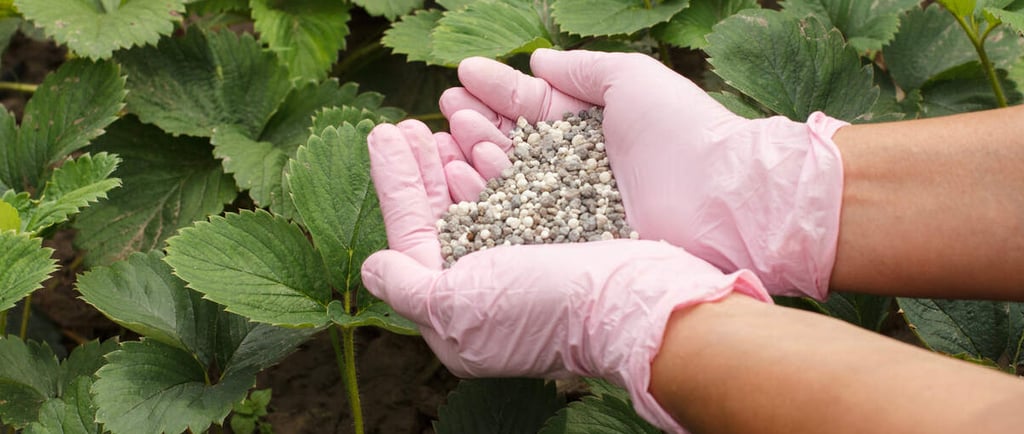
Inorganic fertilizers are manufactured products that contain nutrients in a form plants can absorb immediately. Common examples include granular lawn fertilizers, water-soluble powders, and liquid fertilizers.
These fertilizers provide fast and predictable results because the nutrients do not need to be broken down by soil microbes. However, because they act quickly, they must be applied carefully to avoid damaging plants or soil.
Pros and Cons of Organic vs. Inorganic Fertilizers
Organic fertilizers improve soil health, encourage beneficial soil organisms, and reduce the risk of fertilizer burn.
They are well suited for gardeners who want sustainable, long-term results. However, they work more slowly and offer less precise control over nutrient levels.
Inorganic fertilizers deliver nutrients quickly and allow for precise feeding, which is helpful when plants show deficiencies or need a boost.
On the downside, repeated use without care can weaken soil health, increase runoff, and harm plants if overapplied.
When Should You Use Organic Fertilizer?
Organic fertilizer is best used when you are building or improving garden soil, growing vegetables or herbs, or maintaining perennial plants.
It is especially useful when you want steady growth rather than rapid results.
Organic fertilizer is also a good choice for gardeners who prefer low-risk feeding and environmentally friendly practices.
When Should You Use Inorganic Fertilizer?
Inorganic fertilizer is most useful when plants need nutrients quickly. This includes situations where plants show yellowing leaves, poor growth, or other signs of deficiency.
It is also commonly used for lawns, container plants, and short growing seasons where immediate results are important.
How to Choose the Right Fertilizer for Your Garden
The right fertilizer depends on what you are growing and the condition of your soil. Lawns usually need more nitrogen, while vegetables and flowering plants often require a balanced nutrient mix.
Soil testing can help you understand what nutrients are already present and which ones are lacking.
Fertilizer labels list nutrient ratios using N-P-K numbers. For example, a 10-10-10 fertilizer contains equal parts nitrogen, phosphorus, and potassium.
Higher numbers indicate stronger concentrations, not higher quality.
How and When to Apply Fertilizers
Most plants benefit from fertilization during periods of active growth, such as spring and early summer. Fertilizing dormant or stressed plants can do more harm than good.
Fertilizers can be applied in several ways. Granular fertilizers release nutrients slowly over time, while liquid fertilizers act quickly.
Foliar feeding allows plants to absorb nutrients through their leaves, and top dressing adds nutrients gently to the soil surface.
Regardless of the method, following application instructions is essential.
Frequently Asked Questions About Fertilizers
Many gardeners wonder whether organic fertilizer is better than synthetic fertilizer. The answer depends on the goal, as organic fertilizers support soil health while synthetic fertilizers provide fast results.
It is also common to ask whether both types can be used together. In most cases, combining them carefully works well and provides balanced benefits.
Fertilization frequency depends on plant type, soil condition, and fertilizer strength. Applying fertilizer too often can harm plants, so following recommended schedules is important.
For beginners, organic fertilizers are usually the safest option because they are more forgiving and less likely to cause damage.
Should You Hire a Professional to Fertilize Your Garden?
Hiring a professional may be helpful if you manage a large lawn, lack time, or are unsure how to interpret soil test results.
Professionals can create a fertilization plan tailored to your soil and plant needs.
For small gardens, many homeowners can achieve good results with careful, informed application.
Final Thoughts: Which Type of Fertilizer Should You Use?
There is no single fertilizer that works best for every garden. Organic fertilizers are ideal for long-term soil health and steady growth, while inorganic fertilizers are useful for quick corrections and targeted feeding.
By understanding your plants and soil, you can choose the fertilizer type that meets your garden’s needs and apply it with confidence.


